Tesla Deploys 'Optimus Academy' to Solve Humanoid Robot Training Data Gap
The automaker is utilizing a massive internal robot fleet to generate the AI training data required for commercial humanoid deployment, bypassing the traditional automotive fleet advantage.
By Mei Lin ·
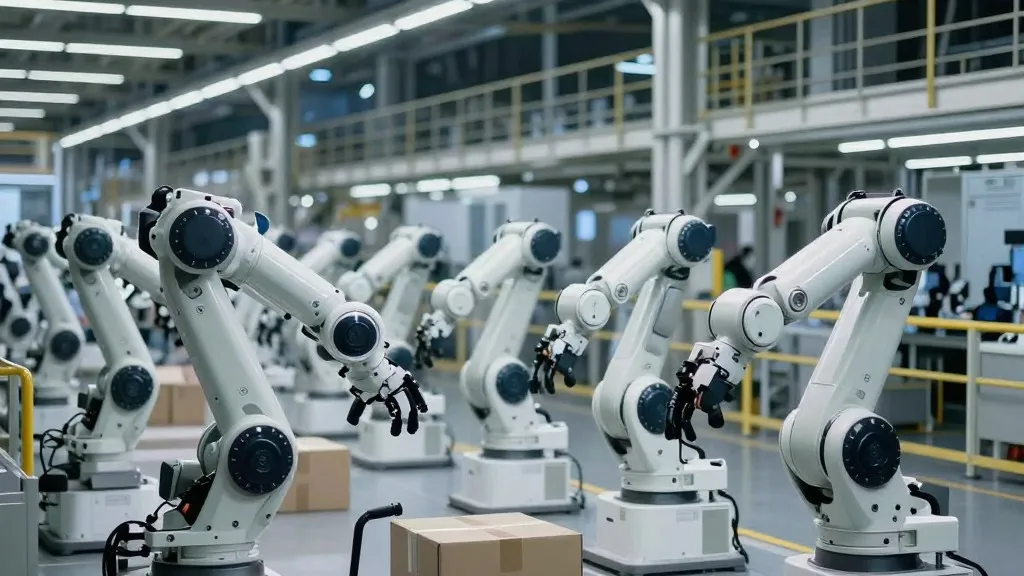
Tesla faces a critical structural disadvantage in its push to commercialize humanoid robots: unlike its electric vehicles, Optimus does not yet possess a massive global fleet to generate the real-world data necessary for advanced artificial intelligence. To overcome this bottleneck, the company has unveiled a strategy it calls the Optimus Academy, a program designed to turn the production line itself into a learning environment where robots teach other robots how to function in the physical world.
The initiative is being implemented within the Fremont factory, where a high-volume production line for Optimus has recently come online. Tesla confirmed in its third-quarter shareholder letter that the robots emerging from this line are the first to meet production-quality standards, marking a significant milestone in the transition from prototype to commercial product. The company stated that the current manufacturing process has been proven suitable for a viable consumer offering.
The production line occupies space previously dedicated to the Model S and Model X, which were cleared out over 46 days earlier in the year to make room for robot manufacturing. The facility is sized to support an annual output of one million units. During a recent earnings call, CEO Elon Musk noted that most of the equipment required to reach this capacity is already in place, with weekly output expected to climb toward 20,000 robots as the line ramps up.
Musk described the growth trajectory as a classic S-curve, cautioning that the initial slope is shallow. The engineering team is currently focused on refining the robot’s artificial intelligence, electromechanical design, and reliability. Tesla plans to complete this refinement phase by the end of 2027, at which point it intends to begin delivering Optimus units to external companies for dangerous, repetitive, and continuous-duty applications.
The core of the new strategy is the Optimus Academy. Because Tesla cannot rely on millions of cars on the road to feed its AI models, it will instead use 10,000 to 20,000 robots to practice a wide array of tasks. Every unit produced in Fremont will serve as a source of training data, with the lessons learned by these machines feeding directly into the next iteration of the Optimus model. This internal fleet effectively substitutes for the external user base that powered the development of Tesla’s autonomous driving technology.
Hardware improvements are also on the horizon. Tesla plans to integrate its AI5 chip into Optimus next year. Musk indicated that a new video demonstrating the robot completing tasks driven by AI rather than preprogrammed motions is expected within one or two months. He contrasted this approach with rival humanoid demonstrations, which he argued often rely on scripted routines that may not hold up in unpredictable real-world environments.
The supply chain is actively supporting this expansion. In September, Tesla certified Tuopu, Joyson, and Sanhua as mass production partners for Optimus components. Additionally, a much larger dedicated factory for Optimus is under construction at Giga Texas. Recent drone footage shows the steel frame of the facility nearing completion, with Musk setting a long-term target for that plant at 10 million robots per year.
Executives noted that Optimus production costs are trending toward the expected manufacturing costs of the Cybercab, indicating that the robot is being engineered for volume from the outset. However, the robot’s hands remain the most challenging aspect of the design. This component is the focus of much of the current engineering effort, a difficulty Musk also highlighted during a recent X Takeover event.
As the line in Fremont begins to produce robots that meet commercial standards, the company is betting that the data generated by the Optimus Academy will be sufficient to close the gap between laboratory demonstrations and practical, real-world utility. The next several months will be pivotal in proving whether this internal data loop can successfully train the next generation of humanoids.
Source: Teslarati