Tesla reveals cockpit details for next-gen Roadster ahead of public debut
A new video highlights the fighter-jet-inspired interface and thruster controls of the upcoming high-performance vehicle.
By Anastasia Volkova ·
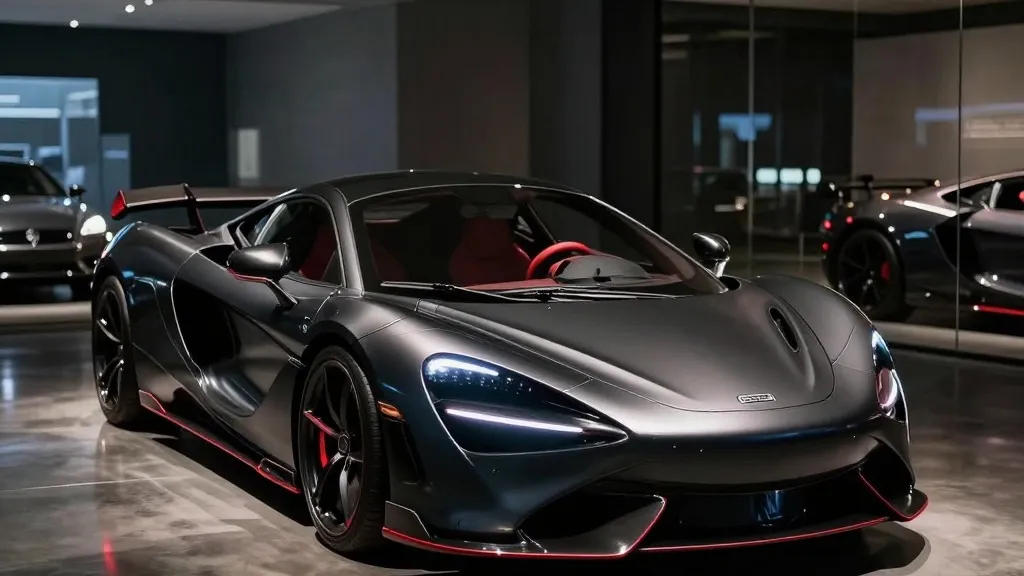
Tesla has provided prospective buyers with the most detailed glimpse yet into the interior of its forthcoming Roadster, highlighting a digital interface designed to prioritize driver engagement over traditional navigation. In a thirty-four-second video released on social media on Friday, the automator detailed the touchscreen experience, describing the design philosophy as inspired by fighter jet cockpits and centered entirely on the pilot. The reveal serves as a final preview for enthusiasts before the vehicle’s physical display to the public later this week.
The footage begins with a minimalist aesthetic, featuring a black background accented by red graphics and a three-dimensional wireframe representation of the car. This model is positioned next to the vehicle’s distinctive squared-off steering yoke. Interactive elements within the interface allow users to manipulate specific components, such as the rear wing, offering toggles between low-drag and high-downforce configurations. The home screen also integrates a charging status page with a limit bar and a compact music player, while a row of navigation tabs at the bottom provides access to vehicle settings, climate controls, and navigation tools.
The majority of the demonstration focuses on the dedicated Track Mode, which transforms the dashboard into a comprehensive telemetry center. Drivers are presented with a live map of the circuit, a log of session lap times, and real-time data regarding brake and motor temperatures. Individual tire pressure and temperature readouts are also displayed, ensuring precise monitoring of the car’s condition during high-performance driving. A dedicated setup page allows for granular control over the vehicle’s aerodynamics and handling systems.
Within this mode, owners can select from automatic, low-drag, high-downforce, or custom aerodynamic settings. Further customization options include adjustments to aero balance and brake balance, alongside the ability to disable stability and traction control for maximum performance. A status bar at the bottom of the screen prominently displays the thruster system, indicating a pressure of 5,500 PSI and a “Boost Ready” status, linking the digital interface directly to the car’s propulsion hardware.
This software interface corresponds to the physical components revealed in mid-October near Waco, Texas. The Thrust and Rocket variants of the Roadster utilize cold gas thrusters supplied by carbon-overwrapped pressure vessels. Tesla claims these versions achieve zero-to-sixty-mile-per-hour times of under 0.9 seconds and under 0.59 seconds, respectively. In contrast, the base Performance model relies on a fan and ground sealing system for grip, with the on-screen aero settings aligning with the active wing and suction technologies previously analyzed.
The interior layout represents a significant shift from Tesla’s current lineup. Rather than centering the screen on a map, the Roadster places a representation of the car itself at the center of the home page. Additionally, the company’s official website lists two smaller forward-facing displays flanking the main touchscreen. It remains unclear whether the extensive telemetry features shown in Track Mode will be adopted for other models, such as the Model 3 Performance, in future software updates.
While the interface is currently in a developed state, final changes may occur before customer deliveries. Elon Musk has indicated that production of the Roadster is scheduled to begin in 2028. The top-tier Rocket version is not yet approved for general public road use, with reservations available for a $50,000 deposit. The Thrust variant is designated as a limited release, while the Rocket model will be offered on an invite-only basis.
Public interest in the vehicle is set to peak this weekend, as the Roadster will be exhibited in the lobby of the Petersen Automotive Museum in Los Angeles. According to Sawyer Merritt, the display, running from October 24 to 27, will mark the first opportunity for the general public to view the car in person.
As Tesla moves closer to the production phase, the focus on the driver-centric interface underscores the company’s strategy for its flagship performance model. The integration of complex telemetry and thruster controls suggests a vehicle built for enthusiasts who seek detailed control over their driving experience. The upcoming museum display will likely draw significant attention, providing a tangible connection to the digital previews already shared online.
Source: Teslarati