Electric Pickups: Tesla Exits Australia and New Zealand After Seven-Year Wait
Tesla has voided Cybertruck reservations in the region, refunding deposits and offering incentives to switch to its sedan models.
By Anna Nowak ·
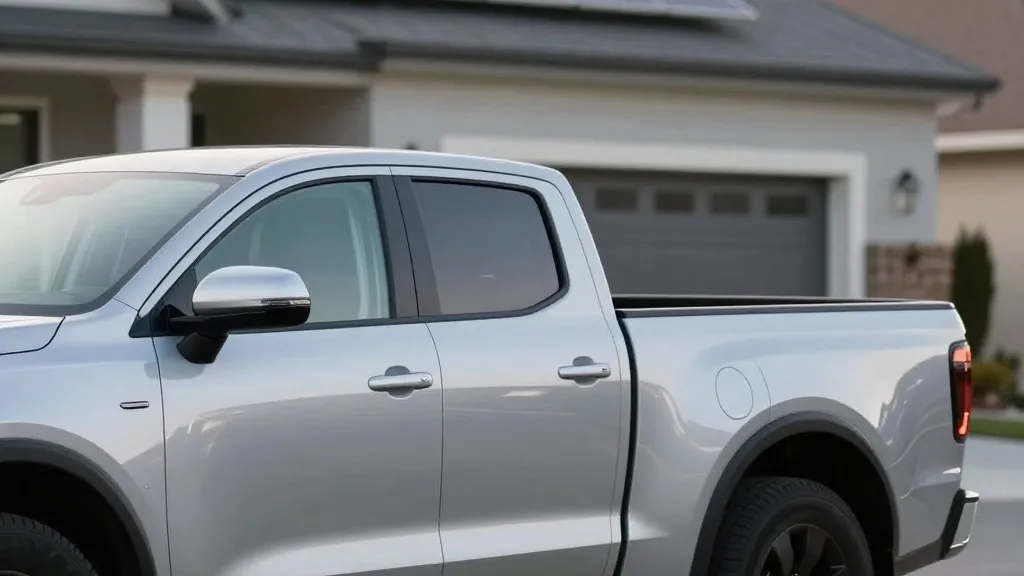
For nearly seven years, Australian and New Zealand consumers held financial exposure to a vehicle that will never arrive. Tesla has officially cancelled the Cybertruck for both markets, sending notification emails to reservation holders this morning to confirm their orders are void. This move signals a definitive end to the waiting period, with the automaker promising full refunds for all payments made within the next 30 days. While the cancellation removes a pending liability for buyers, it also closes the door on a specific product category in the region, shifting focus to Tesla’s existing lineup.
The financial journey for these customers began in November 2019, when Australians started paying A$150 to reserve the electric pickup. That initial deposit represented a small upfront cost, but the opportunity cost of waiting has been significant. By 2020, a crowdsourced survey indicated Australia was the third-largest market for reservations globally, behind the United States and Canada, accounting for approximately 3% of the total. By 2023, tracking data suggested total global reservations had reached around 2 million units, highlighting the scale of demand Tesla initially captured.
The path to this decision was marked by gradual disengagement. In May 2022, Tesla quietly closed the Australian reservation page, replacing it with a button to receive updates, but did not immediately refund the deposits held. Customers continued to wait through 2024, when Tesla shipped a Cybertruck to the region for a display tour. During that period, CEO Elon Musk told shareholders that certification for other markets might occur "next year," a timeline that eventually passed without a right-hand-drive version materializing.
The core obstacle was engineering and economics. The Cybertruck is manufactured exclusively in left-hand drive, a configuration incompatible with the driving standards in Australia, New Zealand, the UK, and Japan. Furthermore, Australia requires specific certification under its own design rules. Re-engineering a vehicle for right-hand drive represents a substantial capital expenditure, a cost that becomes difficult to justify when demand in the primary North American market is softening.
Market data underscores the financial rationale behind the exit. Tesla delivered only 8,295 units categorized as "Other Models" in Q3 2026, a segment that now consists almost entirely of Cybertrucks since the production of Model S and Model X ceased. Estimates place Cybertruck sales for the last quarter between 7,000 and 8,000 units, equating to an annual pace of roughly 30,000 units. This volume is a fraction of the 250,000-unit annual capacity of the production line, suggesting that the return on investment for a specialized right-hand-drive program would be minimal for a combined market of approximately 33 million people.
Tesla’s international strategy for the truck has consistently targeted left-hand-drive markets. Deliveries began in South Korea in late 2025 and the United Arab Emirates in January 2026, with configurators opening in Saudi Arabia, Qatar, Jordan, and Israel. The vehicle remains blocked from the European Union primarily due to pedestrian safety regulations. With North American sales having dropped from approximately 39,000 units in 2024 to a significantly lower figure today, the brand is consolidating its focus on regions where the existing inventory can be sold without modification.
To mitigate the impact of the cancellation, Tesla is actively converting the lapsed reservations into sales of vehicles it currently produces in right-hand drive. The company is offering a free one-year subscription to Full Self-Driving (Supervised) to any reservation holder who places an order for a new Model 3 or Model Y. This incentive aims to retain the customer base within the Tesla ecosystem, leveraging the sunk cost of the waiting period to drive immediate revenue from established models.
The decision comes on the heels of Tesla’s Q3 2026 earnings report, released just one day prior to the notifications. For the broader market, this signals that the Cybertruck is increasingly becoming a niche, North American-centric product. While the initial promise of a global electric pickup has narrowed, the financial discipline of the automaker is evident in its willingness to cut losses on a product line that no longer supports the overhead of international expansion in right-hand-drive territories.
Source: Electrek