Trump Orders AI Hubs To Pay Local Energy Dividends
The administration proposes a new framework requiring data center operators to compensate nearby residents for increased electricity costs and infrastructure strain.
By Chinedu Okafor ·
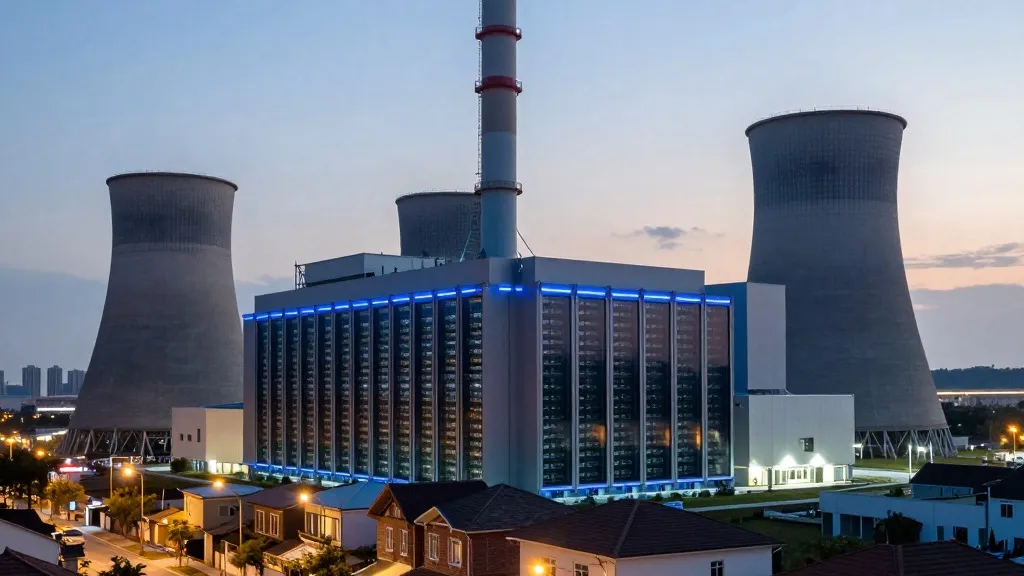
President Donald Trump has proposed a new mandate requiring artificial intelligence data centers to provide financial dividends to local communities, aiming to offset rising energy prices and improve public reception of large-scale infrastructure projects. In a statement posted on Truth Social, the President indicated that operators would be required to generate their own electricity and subsequently sell or gift any excess power back to the local grid. The primary objective is to neutralize the economic burden placed on nearby households, potentially stabilizing or even reducing regional utility rates as these massive facilities come online.
The initiative follows a period of intensified local opposition across the United States. Residents in various municipalities have voiced concerns regarding the outsized environmental and economic footprint of AI hyperscalers. Common grievances include spikes in local electricity bills, increased noise pollution, water scarcity, and air quality issues. These factors have made data center construction a contentious topic, often leading to delays and political friction. The administration views this financial mechanism as a strategic tool to secure community support while maintaining its aggressive pace in the global AI race against China.
This move builds on previous executive actions that ordered data center companies to assume responsibility for their own power generation. The current proposal extends that logic by mandating that surplus energy be directed back to the community. This aligns with a recently passed act requiring data centers to cover the costs of necessary grid upgrades, preventing those expenses from being absorbed by local tax bases. By internalizing these costs and sharing the benefits of excess generation, the administration hopes to transform these facilities from sources of local discontent into economic contributors.
In his post, President Trump emphasized the potential for negotiation to turn hostile environments into cooperative ones. He noted that data centers, which were initially unpopular in specific areas, have become highly accepted once a financial agreement was reached. “MAKE DEALS, and get them built!!!” he concluded, signaling a preference for pragmatic solutions over regulatory hurdles. The administration believes that by ensuring a direct financial benefit for residents, the political resistance to new construction will diminish significantly.
However, the practical implications of the mandate remain under scrutiny. While the energy dividend addresses one major pain point, it does not resolve other significant issues such as high water consumption, ecological impact, and long-term pollution. Critics argue that the term “dividend” implies profitability, which new construction projects may not achieve until initial capital costs are recouped. Furthermore, the short-term power solutions often rely on gas-powered generators, which may not align with local preferences for cleaner energy sources. The success of this strategy will depend on whether the financial offsets are substantial enough to outweigh the broader environmental and logistical challenges associated with expanding AI infrastructure.
The next phase involves determining the specific mechanics of these energy transactions. Regulators will need to define how excess power is valued and distributed, ensuring that the benefits reach the intended residential and commercial sectors. As the AI arms race continues, the administration is committed to finding a model that balances rapid technological expansion with local economic stability. The coming months will likely see increased dialogue between hyperscalers, local government officials, and community leaders to finalize the terms of these new energy deals.
Source: Tom's Hardware