14 Million: Apple Raises iPhone Duo Shipment Targets Amid Supply Crunch
Apple has significantly increased production goals for its first folding smartphone, raising the 12-month target to 14 million units to meet unexpectedly high consumer demand.
By Marcus Johnson ·
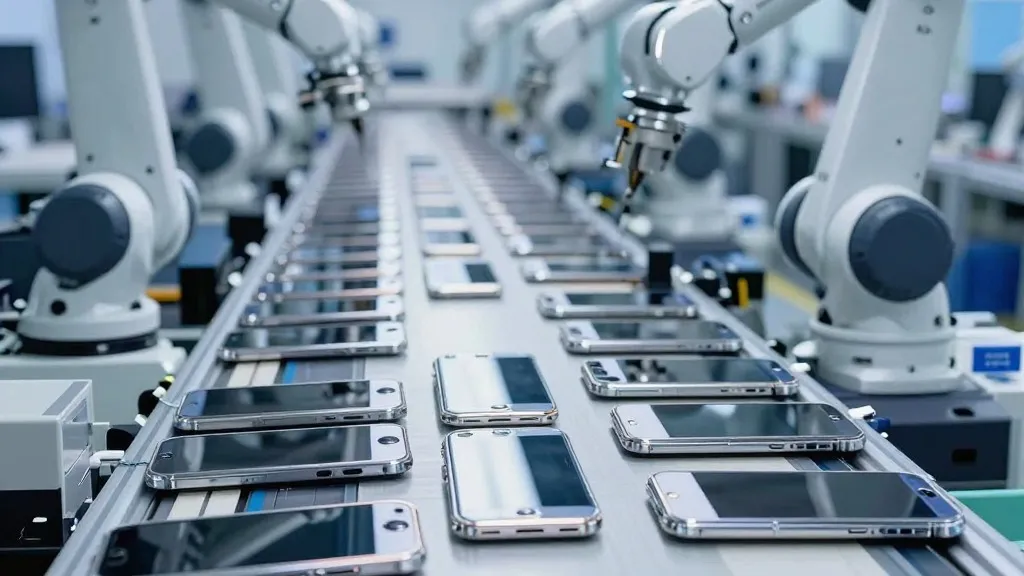
Apple has raised its shipment targets for the iPhone Duo by more than 40%, increasing the projected volume from 9.7 million to 14 million units over the first 12 months of sales. This substantial adjustment, detailed in recent supply chain reports, signals that the company is scaling up production to match what internal sources have characterized as extraordinary pre-order demand. The move resolves early ambiguity about whether initial delivery delays were caused by logistical bottlenecks or genuine consumer enthusiasm, with the latest data pointing decisively toward the latter.
The initial confusion surrounding the launch stemmed from immediate shifts in delivery timelines. When pre-orders opened on Friday, customers quickly noticed that estimated shipping dates had extended, with some orders pushed into late January. Apple attributed these delays to the high volume of interest in its first folding iPhone, a description it has frequently applied to previous new device launches. To manage the influx of orders and mitigate the impact of scalping, the company implemented a restriction limiting each customer to a maximum of two units.
The primary driver for the production increase is the sustained strength of demand, which Apple expects to persist well beyond the initial launch window. By boosting the 12-month shipment target to 14 million units, the company is signaling confidence in the market's appetite for the new form factor. This strategic shift indicates that the iPhone Duo is not just a niche experiment but a core component of Apple's current hardware roadmap, requiring a significant ramp-up in manufacturing capacity to ensure availability.
Despite the optimistic production figures, early adopters face several immediate hurdles related to software and hardware adaptation. Third-party applications have not yet been fully optimized for the unique display and interface of the folding device, creating a temporary gap in functionality. However, Apple maintains that the situation is improving rapidly as developers prioritize support for the new platform. Initial reviews based on a week of usage have consistently highlighted app support as a key area for improvement, alongside other specific hardware considerations.
One notable point of discussion in early assessments is the device's reliance on Touch ID for biometric authentication, which some users view as a step backward from the Face ID standard. This decision has sparked speculation regarding future design iterations. In response to these early user experiences, reports indicate that Apple is already testing prototypes for the iPhone Duo 2 that incorporate Face ID technology, suggesting that the company is actively working to address user preferences in subsequent generations of the product.
The context of this production boost highlights the competitive landscape for foldable smartphones. By committing to a high-volume target, Apple is positioning the iPhone Duo to compete directly with established players in the foldable market. The rapid adjustment of supply chain orders reflects a agile response to real-time market data, ensuring that inventory levels align with actual sales velocity rather than conservative initial estimates.
Looking ahead, the success of the iPhone Duo will depend on how quickly the software ecosystem matures. While the hardware production is now scaled up, the user experience will ultimately be defined by the availability of optimized apps and the refinement of biometric security features. The transition from Touch ID to potential Face ID integration in the next model suggests a clear trajectory for product evolution, driven by early feedback and continuous testing.
In summary, the 40% increase in iPhone Duo orders underscores the significant market interest in Apple's entry into the folding phone segment. The company's ability to ramp up production to 14 million units will be critical in meeting demand without significant delays. As the software ecosystem catches up and future hardware iterations are developed, the iPhone Duo is poised to become a major player in the mobile device market, with its success potentially reshaping consumer expectations for form factor and functionality.
Source: 9to5Mac